
The dawn of the 21st century has seen technology evolve at an unprecedented pace. Among the most transformative technologies are Artificial Intelligence (AI) and 5G—the fifth generation of mobile networks. While both are critical in their domains, when it comes to serving as an infrastructure for knowledge, AI takes the lead. Let’s delve into why and how AI outshines 5G in this aspect.
Understanding AI and 5G
Before comparing, let’s define what we mean by AI and 5G. AI is a branch of computer science that simulates human intelligence in machines, enabling them to learn, reason, and self-correct. On the other hand, 5G is the latest iteration of cellular technology, designed to increase the speed and responsiveness of wireless networks.
AI as a Driver of Knowledge Infrastructure
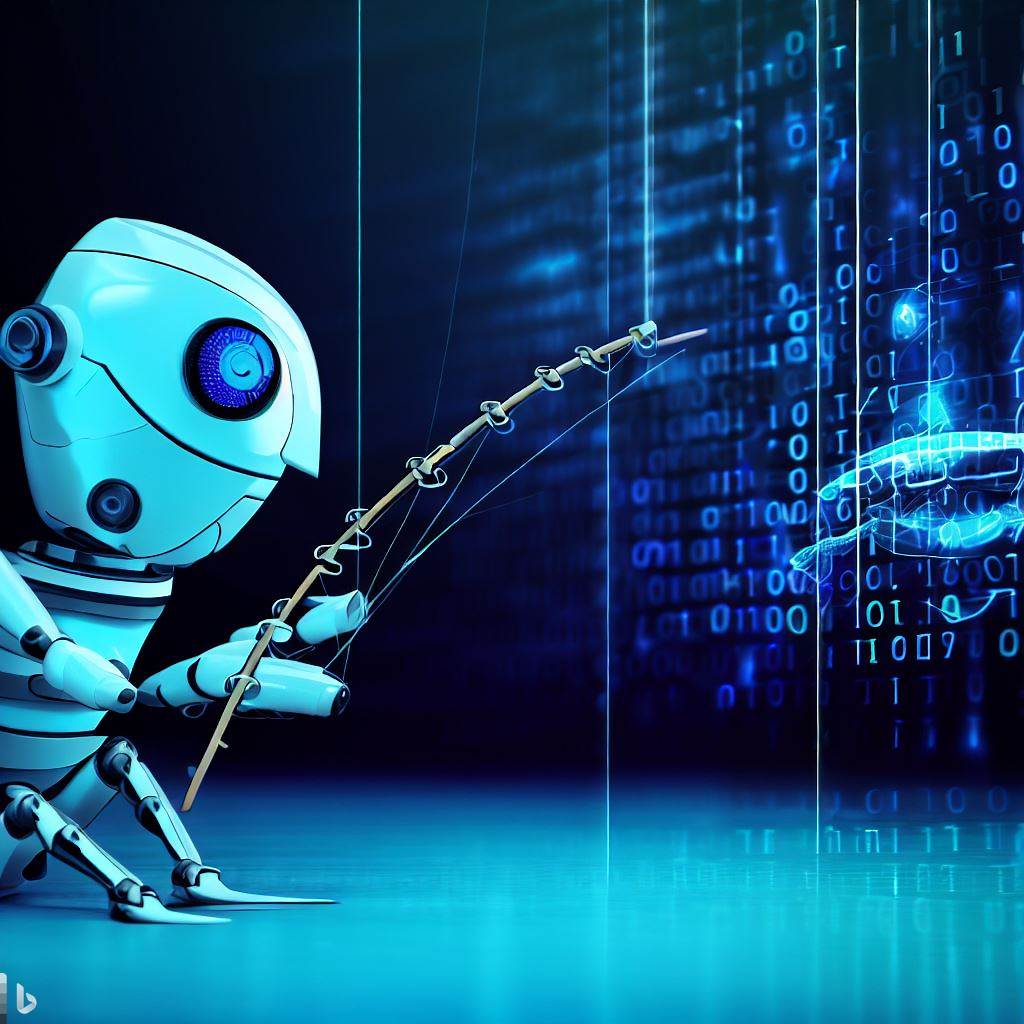
AI, with its multifaceted capabilities, has transformed the way we create, manage, and use knowledge. Here’s why it’s more crucial than 5G in shaping the knowledge infrastructure:
- Efficient Knowledge Management: AI algorithms can process vast amounts of data to extract meaningful insights, enabling efficient knowledge management. From data analysis to predictive analytics, AI plays a pivotal role in transforming raw data into usable knowledge.
- Automated Learning and Adaptation: AI’s machine learning capabilities allow systems to learn and adapt from experience. They can analyze patterns, make decisions, and improve over time, thereby contributing to a dynamic and evolving knowledge base.
- Personalized Learning: AI enables the creation of personalized learning experiences based on individual preferences and learning styles. This kind of adaptive learning is revolutionizing education, making it more engaging and effective.
- Natural Language Processing (NLP): AI’s ability to understand and generate human language (NLP) opens doors for seamless human-computer interaction. It enables systems to comprehend, respond, and learn from textual data, enhancing knowledge sharing and communication.
- Real-time Decision Making: AI’s ability to process and analyze data in real-time aids in quicker decision-making processes. It can predict trends and outcomes, providing businesses with actionable knowledge and a competitive edge.
- Research and Development: In scientific research and development, AI can identify patterns and correlations that might be missed by human researchers. This accelerates discoveries and innovation, expanding our collective knowledge pool.
While 5G provides the necessary speed and network efficiency to transfer and communicate data, it is AI that turns this data into valuable knowledge. AI systems can analyze, understand, learn from, and make decisions based on this data, thereby serving as a more critical infrastructure for knowledge.
In essence, while 5G is undeniably vital in a hyper-connected world, AI’s role is more instrumental in shaping a knowledge-driven future. It’s not just about connecting devices faster; it’s about making them smarter. And that’s where AI outshines 5G as a cornerstone of our knowledge infrastructure.
Article engineuro with OpenAI
stay up-to-date with Inner I Network;

 Inner I Net Company/ - Innovative Solutions to Shape Reality