In ancient times, work was more than a means to an end. It was an expression of one’s essence, a reflection of the balance between individual spirit and the collective whole. Today, we see a sharp deviation from this ideal. In our modern world, contracts and deeds have become more than mere paperwork; they symbolize the erosion of individual willpower, transforming the free agent into what many view as a modern-day slave.
The Power of Contracts and Deeds
Contracts and deeds, by their nature, are designed to legally bind parties into agreements. Their essence, however, has evolved over time. Originally intended to ensure that all parties delivered on their promises, they have become chains that restrict individual freedom.
When one signs a contract or a deed, they pledge to uphold certain conditions, sometimes at the cost of personal desires or beliefs. The inflexibility of these written agreements can often force individuals into roles they neither desire nor find spiritually fulfilling. Thus, instead of fostering collaboration, modern contracts often confiscate one’s willpower, replacing individual choice with obligations.
The Spiritual Deprivation of Modern Work
As societies evolved and populations grew, the nature of work became more complex. Long gone are the days when work was primarily performed in connection with the land, with communities, and with nature. In many cases, modern professions don’t offer the same spiritual satisfaction or connection to the Earth as ancestral practices did.
Our ancestors often found work that resonated with their spirit. A farmer planting seeds felt the connection to the Earth; a craftsman creating tools or art felt the flow of creativity through their hands. Every task, no matter how mundane, had a clear purpose that was intricately linked to the well-being of the community and one’s personal growth.
Today, with industrialization and urbanization, many jobs are relegated to cubicles and office spaces, far removed from nature’s embrace. Work has shifted from tasks that nurture life to tasks that simply pay the bills.
Rediscovering the Spirit of Work
While the situation might seem bleak, it’s crucial to remember that we have the power to shape our future. Just as contracts and deeds evolved, so too can our understanding and approach to work.
- Redefining Success: Societies need to move from the material definition of success towards a holistic view that includes spiritual and emotional well-being.
- Prioritizing Spiritual Fulfillment: Employers can play a significant role by creating work environments that promote growth, creativity, and a deeper connection to one’s tasks.
- Returning to Nature: Individuals can make personal efforts to reconnect with nature, be it through weekend getaways, gardening, or even taking walks in a local park.
The loss of connection between work and spiritual fulfillment is a symptom of our times, but it’s not an irreversible trend. By understanding the implications of modern contracts and the evolving nature of work, societies can pave the way for a future where work not only sustains life but also nourishes the soul.
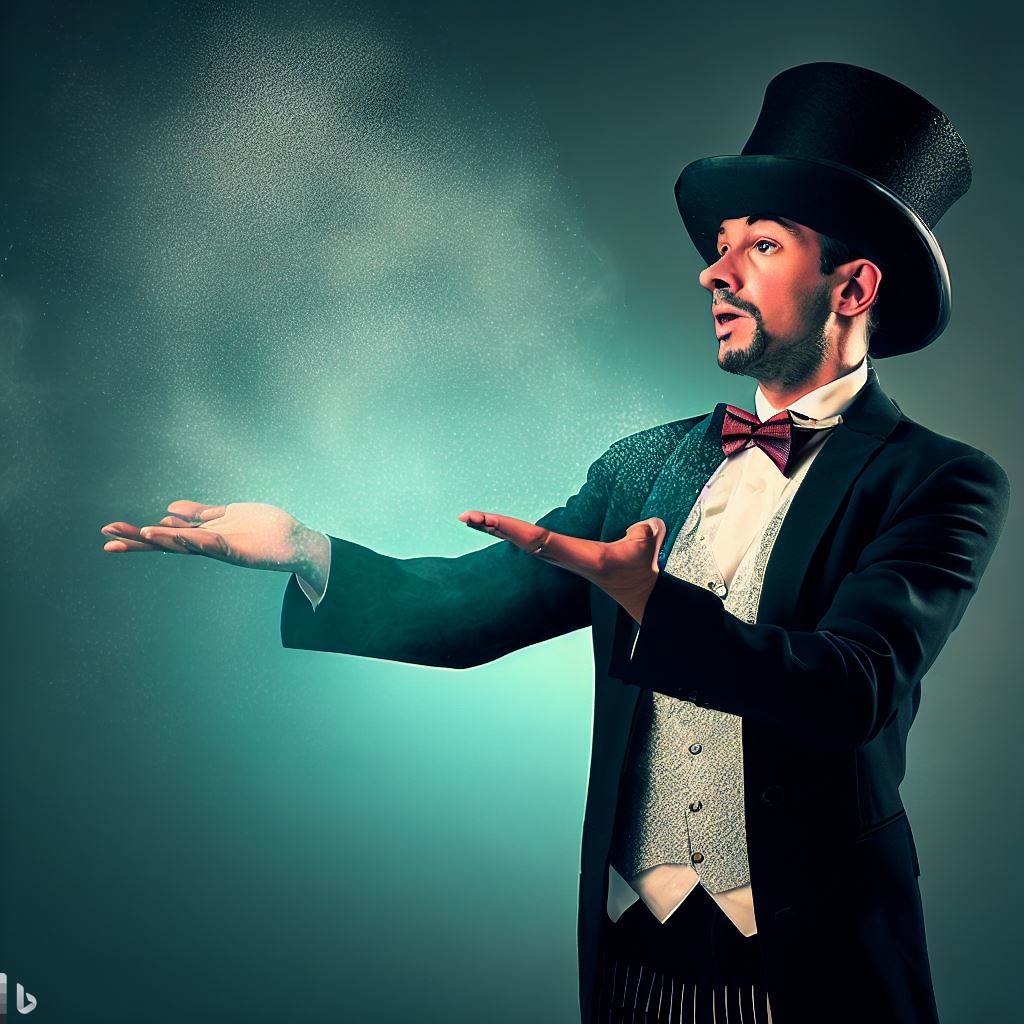
The Magic of Words
- Intention: Spells are cast with a specific intention, often to bring about change or manifest a particular outcome. Similarly, contracts are written with the intention of binding two parties to a set of terms and conditions, ensuring that both follow through on their commitments.
- Power of the Word: Just as spells rely on the precise wording to ensure efficacy, contracts are meticulously worded to prevent any ambiguity. A single misplaced word or phrase in a contract can change its meaning entirely, much like a mispronounced word in a spell could alter its effect.
Rituals and Ceremonies
- Signing and Sealing: The act of signing a contract can be likened to a ritual. In many cultures, the process of signing is accompanied by ceremonies, witnesses, and other formalities, emphasizing the contract’s importance. This ritual mirrors magical ceremonies where specific steps must be followed to cast a spell.
- Blood Oaths: Historically, some contracts or oaths were sealed with blood, making them blood pacts. This adds a sacred and unbreakable aspect to the agreement, mirroring the irreversible nature of certain spells.
Consequences of Breaking
- Binding Nature: Spells, especially binding spells, are designed to compel an individual to act (or not act) in a certain way. Contracts, in their essence, bind parties to certain actions or inactions, and breaching these terms results in consequences.
- Repercussions: Breaking a spell or going against its intentions can lead to unintended consequences, often negative. Similarly, breaking a contract can result in legal repercussions, penalties, or other negative outcomes.
Symbolic Significance
- Influence on Reality: Spells are believed to influence reality, bending it according to the caster’s will. Contracts too have the power to shape and dictate reality, determining how individuals and corporations act.
- Societal Spellbinding: On a more abstract level, one might argue that contracts—like credit agreements, mortgages, or even employment terms—keep individuals “spellbound” to a certain lifestyle or societal structure.
article prompt engineuro at OpenAI

 Inner I Net Company/ - Innovative Solutions to Shape Reality