
In the world of software development, innovation often emerges at the intersection of art and science. Imagine a software that takes voice or text input and, like a modern-day alchemist, transforms it into mesmerizing geometric structures inspired by the fascinating field of cymatics. This ambitious idea bridges language and visuals, offering a unique platform where words become captivating shapes. Let’s dive into the concept of the Cymatics-Driven Voice and Text Visualization Software.
Cymatics: The Art of Sound Visualization
Before we embark on our software journey, let’s explore the concept of cymatics. Cymatics is the study of visible sound and vibration patterns. It reveals how sound waves, when passed through a medium like water or sand, generate intricate geometric shapes and patterns. These patterns are not only visually captivating but also demonstrate the profound connection between sound, frequency, and form.
The Software Concept: Bridging Language and Visualization
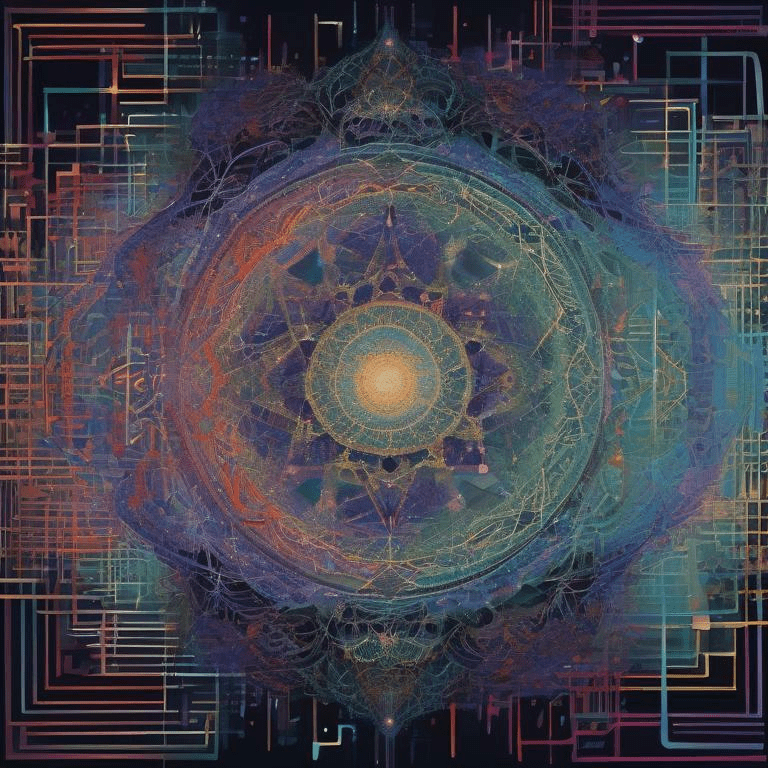
Imagine a user-friendly software application that allows individuals to input text—anything from simple words to entire paragraphs or poems—and witness the transformation of those words into stunning visual representations inspired by cymatics.
Key Features of the Cymatics-Driven Text Visualization Software:
- Text Input: Users can input any text of their choice. The software can handle various languages and fonts, providing flexibility for creative expression.
- Cymatic Transformation: The software employs algorithms inspired by cymatics to translate the text into geometric patterns. Each letter, word, or phrase generates a unique visual pattern based on its sound or frequency attributes.
- Customization: Users have the option to customize the visual output. They can adjust parameters such as color schemes, symmetry, scale, and complexity to tailor the visuals to their preferences.
- Real-Time Interaction: As users type or edit text, they can see the corresponding visual transformation in real-time, allowing for immediate feedback and creative exploration.
- Export and Sharing: The generated visual representations can be exported as high-resolution images or animations. Users can easily share their creations on social media, in presentations, or as digital art pieces.
Potential Applications and Benefits:

- Artistic Expression: Artists, poets, and writers can use the software to infuse their words with a visual dimension, creating unique and captivating works of art.
- Educational Tool: Teachers and students can explore the relationship between language, sound, and form in a hands-on and creative way.
- Visualization of Soundscapes: Musicians and sound designers can use the software to translate music or soundscapes into visually stunning representations, offering a new dimension to their work.
- Personal Creativity: Individuals can use the software for personal creativity and self-expression, turning their favorite quotes, affirmations, or meaningful texts into visual keepsakes.
Challenges and Considerations:
Developing such a software entails addressing technical challenges related to text analysis, sound-to-image algorithms, and user interface design. Additionally, ensuring the software’s accessibility and ease of use will be crucial for its success.
The Cymatics-Driven Text Visualization Software is a concept that merges science and art, offering a unique way to explore the profound connections between language, sound, and form. It invites users to embark on a creative journey where words transcend their linguistic boundaries, transforming into captivating visual symphonies. In the world of software development, this idea represents an exciting opportunity to harmonize the power of technology with the beauty of expression.
Creating digital cymatics from voice and text input is a highly specialized and complex task that involves several distinct steps, from analyzing the audio input to generating corresponding visual patterns. While it’s theoretically possible to develop such software, it would require a combination of advanced technologies, including voice recognition, sound analysis, and generative art algorithms.
Here’s a simplified overview of how such software might work:
- Audio Input: The software would need to capture and process audio input, which could be spoken words, mantras, songs, poems, or any form of sound.
- Sound Analysis: Advanced audio analysis techniques would be employed to extract key features from the input, such as pitch, frequency, amplitude, and harmonics.
- Mapping to Visual Patterns: Algorithms would then map the extracted audio features to corresponding visual patterns. This mapping could be highly creative and would depend on the desired aesthetic.
- Visualization: The software would generate and render the visual patterns in real-time or as a digital artwork. These patterns might resemble traditional cymatics visuals or be entirely unique and digitally generated.
- User Interaction: Users could interact with the software by providing different audio inputs or adjusting parameters to influence the generated cymatic visuals.
- Output: The final output could be displayed as animations, images, or even interactive visualizations.
Developing such software would require expertise in multiple domains, including signal processing, machine learning, generative art, and user interface design. Moreover, the accuracy and quality of the cymatic patterns would depend on the sophistication of the algorithms used and the complexity of the mapping between sound and visuals.
While creating a software that generates digital cymatics from voice and text input is a fascinating idea, it’s a significant undertaking that would likely require a dedicated team of researchers and developers with expertise in audio analysis, generative art, and software engineering. Additionally, it would involve substantial computational resources to handle real-time processing and visualization.
article prompt engineuro: OpenAI
text-to-image Tao.Studio :
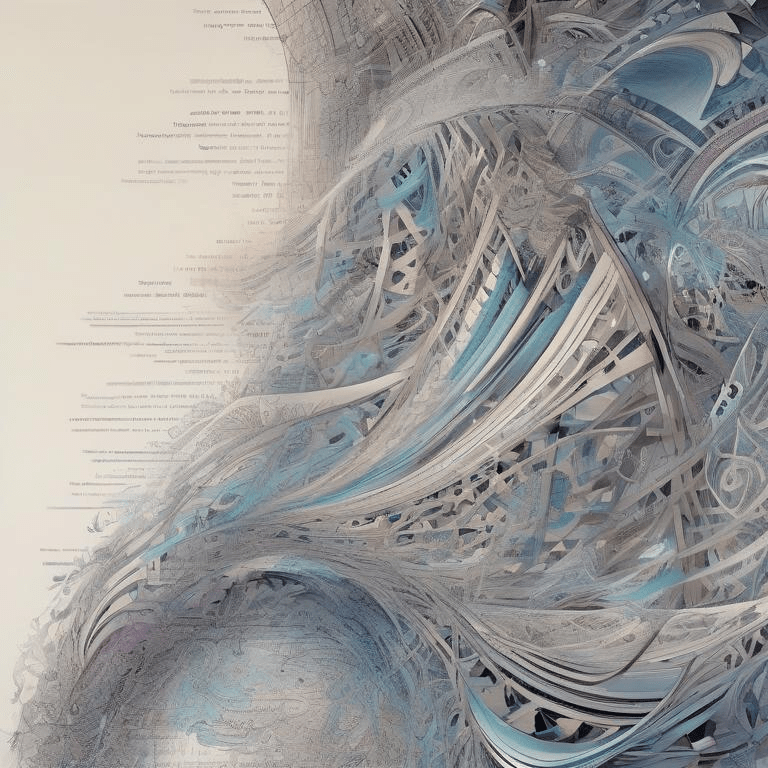
Picture a digital canvas where language transcends its written form and transforms into mesmerizing visual poetry. Imagine a user entering a phrase, poem, or words of significance into a virtual realm. As the text flows onto the canvas, it undergoes a magical metamorphosis, evolving into intricate geometric patterns inspired by the enchanting world of cymatics.

Each word, letter, or character becomes a vibrant node within the symphony of creation, its shape and design harmonizing with the sound frequencies inherent to the text. This fusion of language and art generates a visual masterpiece that captures the essence of the spoken word in vibrant and mesmerizing patterns of color and form.
Related resources at https://cymatics.ning.com/profiles/blogs/cymatic-software
Stay in the NOW with Inner I Network;

 Inner I Net Company/ - Innovative Solutions to Shape Reality